Must-see for Prime Day shopping: 5 ways to fight inflation and get bargains!
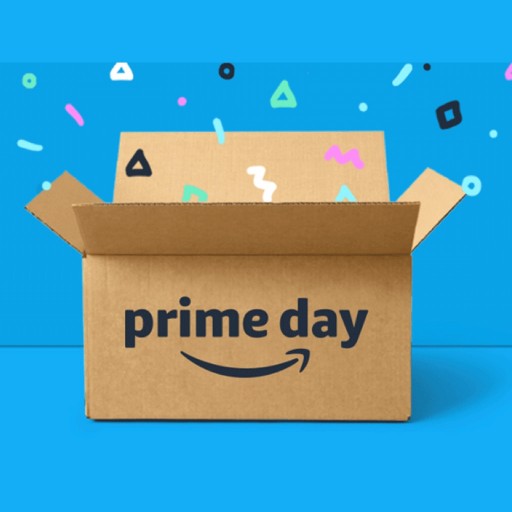
When the year-on-year increase in the US CPI in June remained stubbornly at 3.7%, and the amount of receipts at supermarket checkout counters increased at a visible rate, the annual Amazon Prime Day (estimated to be July 15-16, 2025) has become a "key battle" for consumers to fight inflation.
This 48-hour shopping spree is not only a good opportunity to stock up on daily necessities, but also a practical exercise in using financial wisdom to leverage consumption. This article will break down five major strategies for you to help you achieve the inflation-fighting technique of "saving money is making money" during shopping.
The first trick: price tracking - let the goods "travel through time and space" to reduce prices
In an inflationary environment, commodity prices are like riding a rocket. But with the help of tools, you can let the goods "travel" back to the low-price era.
CamelCamelCamel: This browser plug-in can track the historical prices of Amazon products. Enter the target product URL and instantly generate a price trend chart within three years. For example, a certain air fryer is currently priced at 129, and the plug-in shows that its price dropped to 89 during Prime Day 2023, helping you determine whether it is worth buying now.
Honey automatic price comparison: Enable this tool on the checkout page to instantly scan the prices of 2,000+ merchants on the entire network. In a test, Honey found that a certain brand of electric toothbrush was 15 cheaper on Target's official website than on Amazon, and also gave away a replacement brush head worth 20.
Price protection policy: Some credit cards (such as Chase Freedom) provide a 90-day price protection service. If the price of the product drops within 30 days after purchase, you can apply for a refund of the difference. During Prime Day last year, some users used this policy to recover the $87 difference.
The Second trick: Credit card combination punch - cash back + points = double benefits
In times of inflation, making good use of credit cards is equivalent to "discounting" consumption.
Card opening bonus harvest: For Prime Day special consumption, you can apply for the Amex Blue Cash Everyday card (the cash back ratio doubles to 6% in the first year). A user purchased 1,200 home appliances with this card and received 72 cash back + 2,400 points, with a comprehensive return of 8%.
Maximize cash back by category:
Supermarket consumption: Use the Amex Blue Cash Preferred card (6% cash back) to buy Costco gift cards, and then use the gift cards to pay at Amazon to achieve "double cash back".
Streaming expenses: Through the quarterly 5% cash back category of Chase Freedom Flex, subscribing to Prime Video can save $30 a year.
0 installment fee trap: Beware of the temptation of "12 installments without interest". Although a certain brand of notebooks is advertised as interest-free, the price is $50 more expensive than buying in full. It is recommended to use the above tools to compare prices first, and then consider installments.

The third trick: Inventory clearance war-picking up Amazon's "hidden warehouse"
Prime Day is not only a promotion for new products, but also a good opportunity to clear inventory.
Outlet area: Visit amazon.com/outlet to find a large number of clearance products at 30% to 70% off. A user bought a Dyson vacuum cleaner filter set with an original price of 120 for 45 yuan, and found that it was 20 yuan cheaper than the second-hand one on eBay after price comparison.
Warehouse Open Day: Prime members can enter Amazon's second-hand warehouse 4 hours in advance. In a certain event, a user grabbed an AirPods Pro with "slight signs of use" for 149 yuan (new price 249 yuan), and the battery health was still 92% after testing.
Brand refurbishment area: Brands such as Bose and Sony have official refurbishment channels on Amazon, providing a 1-year warranty + 30% discount. A certain refurbished Kindle Paperwhite saves 50 yuan compared to a new machine, and supports trade-in for another 20 yuan.
The fourth trick: Bulk purchasing economics - using inflation to hedge inflation
In the context of continued CPI increases, bulk purchasing is essentially "price locking".
Costco arbitrage: Compare the prices of daily necessities on Amazon and Costco. For example, a certain brand of toilet paper, Costco 30 rolls per roll, Amazon Prime price 0.28 per roll, bulk purchase can save 29%.
Subscribe to save discount: Enable Amazon "Subscribe and Save" service, 5 items minimum order can enjoy an additional 15% discount. A user buys cat food in this way, and the annual expenditure is reduced from 600 to 450, and the money saved is enough to pay for half a year's Prime membership fee.
Inventory turnover rate calculation: Use the formula "inventory cost/average monthly consumption" to ensure that the bulk purchase does not exceed 6 months of consumption. A family hoarded too much shampoo, causing some products to expire, and actually wasted $37.
The Fifth trick: ROI thinking-let consumption generate "sleep income"
Convert Prime Day purchases into long-term benefits.
Trade-in arbitrage:
Electronic products: Recycle old iPads through Amazon Trade-In, get $200 gift cards + 20% discount on new products, and the comprehensive income reaches 35%.
Textbooks: Using Amazon Textbook Buyback, a user sold college textbooks for $187, far exceeding the campus bookstore's purchase price of $50.
Investment in sideline tools:
Buy a $300 Cricut cutting machine and sell custom stickers through Etsy, making an average monthly net profit of $450, with a payback period of three months.
Invest in a $500 3D printer and take on prototype production orders from local companies, with an annual return rate of over 50%.
Energy-saving renovation subsidies:
Buy a smart thermostat Nest and apply for a federal 25% tax credit + a state government $75 subsidy, with a combined return of 40%.
Install a solar light string and a user received a $120 cashback through the California Self-Generation Incentive Program, covering 60% of the purchase cost.
Prime Day should not be a carnival of impulse buying, but a drill for smart financial management. Through price tracking, credit card strategies, inventory clearance, bulk purchasing, and investment thinking, you can not only save money in the present, but also build a long-term defense against inflation.
 1
1 1
1OTHER NEWS
-
- Can the AI sector continue to drive the tech stock rally?
- By ZXY 30 Jul,2025

-
- Should you Choose a Real Estate Agent When Buying a Home?
- By Wendy 24 Apr,2023

-
- What do you Mean by Mortgage? What Does it Mean to Have a Mortgage?
- By Little Grapes 24 Apr,2023

-
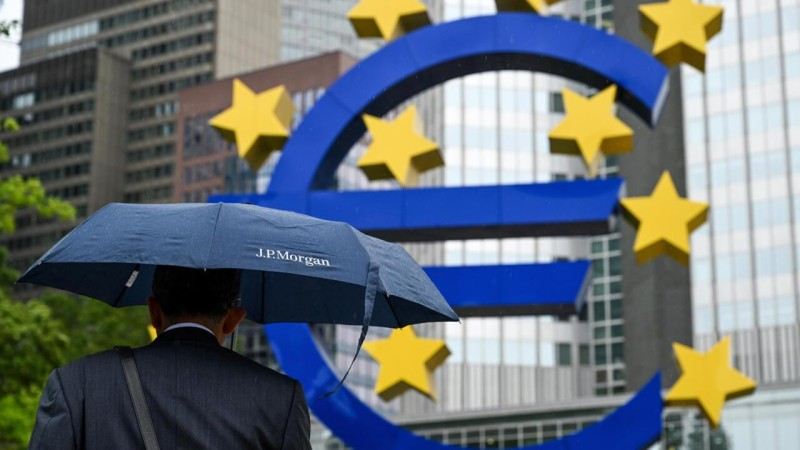
- How much longer can the eurozone hold out? The ECB has reached the end of its rate hike cycle
- By ZXY 01 Aug,2025
-
- How to Effectively Manage Debt: Strategies for Balancing Payments and Savings
- By YCY 07 Jan,2026

-
- Do small businesses really need tax services? When can they file their own taxes?
- By YCY 27 Jan,2026

-
- How to Avoid Being Scammed by Credit Card Fraud!
- By Wendy 24 Apr,2023
-
- Some Tips on Buying a Condo!
- By Wendy 24 Apr,2023

-
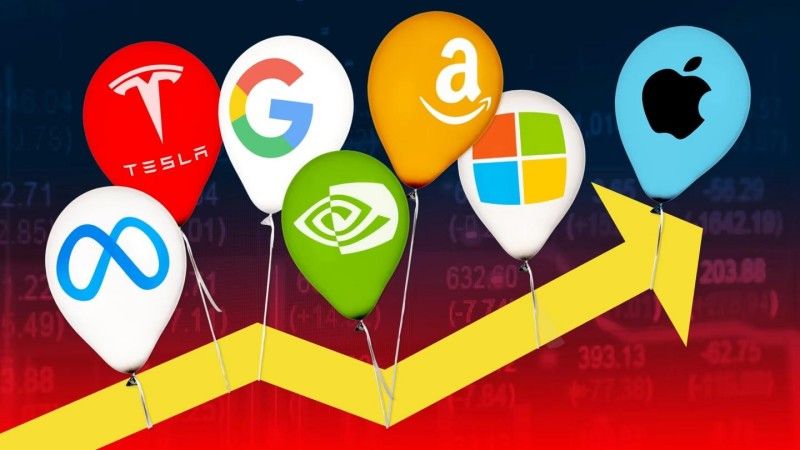
- How much longer can the seven tech giants of the US stock market withstand high interest rates?
- By ZXY 28 Jul,2025
-
- The widening U.S. fiscal deficit is fueling debt concerns
- By ZXY 30 Jul,2025
-
- Global manufacturing is slowing down in tandem. When will deflation strike?
- By ZXY 01 Aug,2025
-
- Is German manufacturing losing its edge? The latest casualty of the US-China strategic rivalry
- By ZXY 29 Jul,2025