What is Social Security and the Types of Social Security
Insurance is a financial product that provides protection against financial losses caused by unexpected events. These events can range from car accidents to medical emergencies, and even death. The purpose of insurance is to help individuals and businesses manage risk by transferring the potential loss to the insurance company in exchange for regular premium payments.
Types of Insurance
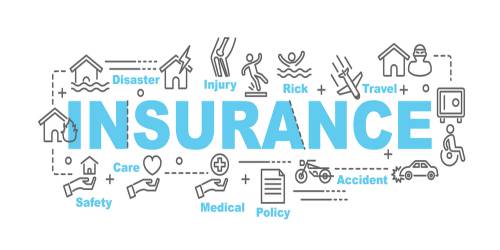
There are many different types of insurance products available, each designed to address a specific type of risk. Some of the most common types of insurance include:
Auto Insurance: This type of insurance provides protection against financial losses due to car accidents or theft.
Homeowners Insurance: Homeowners insurance provides coverage for damage to the home, as well as personal liability coverage.
Health Insurance: Health insurance provides coverage for medical expenses, including hospitalization, surgery, and prescription drugs.
Life Insurance: Life insurance provides financial protection for the policyholder's family in the event of their death.
Disability Insurance: Disability insurance provides income replacement for individuals who are unable to work due to illness or injury.
Long-Term Care Insurance: This type of insurance provides coverage for long-term care, including nursing home care, for individuals who are unable to care for themselves.
Benefits of Insurance
The benefits of insurance are numerous, and they include:
Financial Protection: Insurance provides financial protection against unexpected events, which can be especially important for individuals and families who do not have significant savings or assets to fall back on.
Risk Management: Insurance allows individuals and businesses to manage risk by transferring the potential loss to the insurance company.
Peace of Mind: Knowing that you are protected against potential losses can provide peace of mind and reduce anxiety.
Access to Healthcare: Health insurance provides access to healthcare for individuals who may not be able to afford it otherwise.
Legal Protection: Insurance can provide legal protection against lawsuits, which can be especially important for businesses.
Protection of Assets: Insurance can protect valuable assets, such as homes, cars, and businesses, from financial losses due to unexpected events.

How Insurance Works
Insurance works by pooling the risk of many individuals or businesses and using the premiums paid by those individuals or businesses to pay for any losses that occur. Insurance companies use actuarial science to determine the likelihood of a loss occurring and calculate the premiums required to cover those losses.
When an individual or business purchases an insurance policy, they are entering into a contract with the insurance company. The policy outlines the terms of the insurance coverage, including the types of losses that are covered, the amount of coverage, and the premium payment schedule.
If a loss occurs that is covered by the insurance policy, the individual or business files a claim with the insurance company. The insurance company then reviews the claim, determines whether it is covered by the policy, and pays out the appropriate amount to the policyholder.
Premiums and Deductibles
The cost of insurance is determined by a number of factors, including the type of coverage, the amount of coverage, and the level of risk. Insurance premiums are typically paid on a regular basis, such as monthly or annually.
In addition to the premium, insurance policies often include a deductible, which is the amount that the policyholder must pay out of pocket before the insurance coverage kicks in. The higher the deductible, the lower the premium.
Insurance is an essential tool for managing risk and protecting against financial losses due to unexpected events. There are many different types of insurance products available, each designed to address a specific type of risk. The benefits of insurance include financial protection, risk management, peace of mind, access to healthcare, legal protection, and protection of assets. Understanding how insurance works and the cost of premiums and deductibles can help individuals and businesses make informed decisions about their insurance coverage.
 1
1 1
1OTHER NEWS
-
- Is German manufacturing losing its edge? The latest casualty of the US-China strategic rivalry
- By ZXY 29 Jul,2025

-
- Should you Choose a Real Estate Agent When Buying a Home?
- By Wendy 24 Apr,2023

-
- "Buy Now, Pay Later" is changing the consumer finance landscape: a payment revolution spreading around the world
- By ZH 25 Jul,2025

-
- What do you Mean by Mortgage? What Does it Mean to Have a Mortgage?
- By Little Grapes 24 Apr,2023

-
- Some Tips on Buying a Condo!
- By Wendy 24 Apr,2023

-
- The widening U.S. fiscal deficit is fueling debt concerns
- By ZXY 30 Jul,2025

-
- How do I Choose Between Selling my Home and Renting it out?
- By Wendy 24 Apr,2023

-
- Mobile phone is the bank: one-click account opening, one-click financial management, digital financial life is coming
- By ZH 24 Jul,2025

-
- How to Avoid Being Scammed by Credit Card Fraud!
- By Wendy 24 Apr,2023
-
- High-yield stocks vs. growth stocks: Which type of investment is more resistant to risks? A game of wealth defense and offense
- By ZH 23 Jul,2025

-
- With China's exports declining, is the global consumption chain beginning to break?
- By ZXY 31 Jul,2025

-
- How much longer can the seven tech giants of the US stock market withstand high interest rates?
- By ZXY 28 Jul,2025